Why Choose Large Scale Solar for Global Projects?
Large scale solar is becoming a practical choice for global energy projects seeking reliable, lower-carbon electricity. Its value extends beyond panel capacity. Developers can combine strong solar resources, grid access, and suitable land to create utility-scale systems with measurable long-term output. A project in a dry region may use fixed-tilt modules, while a high-wind site may require reinforced structures and stricter engineering reviews.
Scale can improve purchasing efficiency, construction planning, and operations management. Centralized monitoring helps teams identify inverter faults, soiling, and unexpected production losses before they become expensive problems. Experienced developers also assess transmission distance, water availability, local labor, and community expectations before construction begins. These details often decide whether a promising site becomes a dependable asset.
Yet large scale solar is not a universal answer. That assumption deserves scrutiny. Grid congestion, changing regulations, difficult terrain, and uncertain financing can weaken a project’s benefits. Independent resource assessments, realistic yield models, and transparent environmental studies are essential. Operators should compare forecast production with actual performance throughout the project’s life, not only during investor presentations. Strong projects also include responsible land management, safe working conditions, and clear plans for equipment replacement and recycling. With disciplined design and honest risk evaluation, large scale solar can support global energy goals while revealing where further improvement is still needed.
Utility-Scale Solar Defined: 1,419 GW Installed Worldwide by 2023 (IRENA)
Why Choose Large Scale Solar for Global Projects?
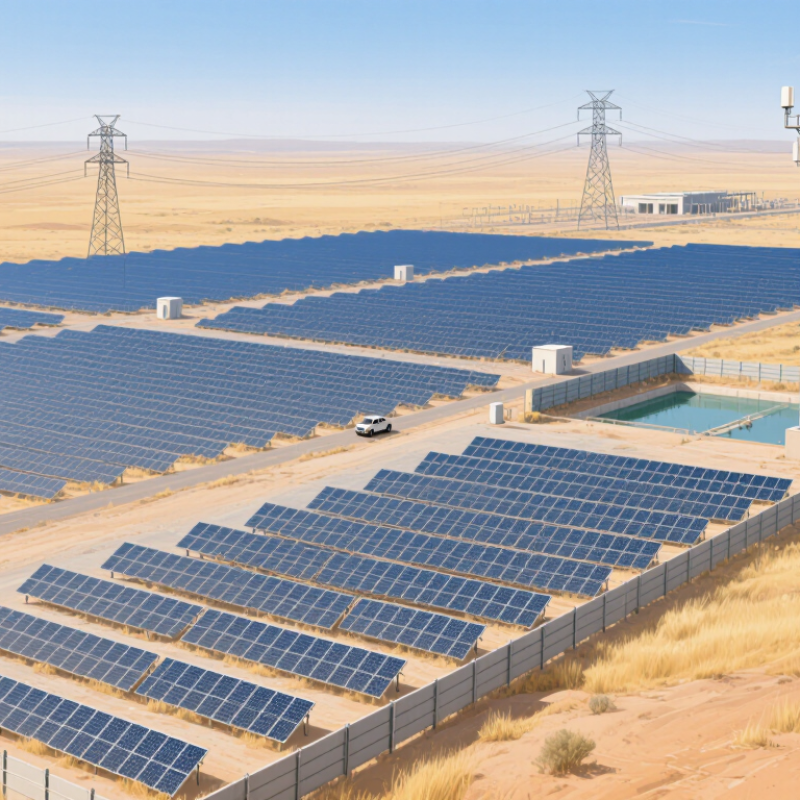
Utility-scale solar has moved from a regional solution to a major global energy asset. According to IRENA, 1,419 GW was installed worldwide by 2023. This figure shows more than market growth. It reflects years of engineering practice, construction learning, and policy support across different climates.
On a project site, scale changes the economics. A large solar field can share substations, roads, monitoring systems, and maintenance teams. Engineers can also use detailed solar studies to position rows, reduce shading, and manage dust or snow. In dry regions, water planning matters. In coastal areas, corrosion protection becomes essential. These details often decide whether expected output matches real production.
The numbers still need careful reading. Installed capacity does not guarantee equal energy generation. Grid congestion, weak transmission, curtailment, and extreme weather can reduce performance. Some projects also underestimate local land concerns or replacement costs. That is uncomfortable, but useful. Reliable development requires independent resource measurements, realistic yield models, transparent contracts, and long-term inspections. Field experience suggests that a slightly smaller project with stronger grid access may outperform a larger project in a remote location. Local workers, clear safety procedures, and responsible land management also influence project durability. Solar is powerful, but it is not automatic.
Why Choose Large-Scale Solar for Global Projects?
Utility-scale solar refers to large photovoltaic installations that supply electricity to the grid.
Global solar PV capacity reached approximately 1,419 GW in 2023, demonstrating the sector’s rapid expansion and growing role in worldwide power generation.
Global installed solar PV capacity, 2014–2023. Values are rounded gigawatt estimates based on IRENA renewable capacity statistics.
Cost Advantage: Solar PV LCOE Fell 90% from 2010 to 2023 (IRENA)
For global projects, large-scale solar offers a clear cost advantage. The International Renewable Energy Agency reports that solar PV’s levelized cost of electricity fell by 90% between 2010 and 2023. This shift changes how developers assess long-term power supply. A utility-scale site can spread engineering, land preparation, and grid connection costs across thousands of panels. The result is often a more competitive electricity price.
The change is visible. In many projects, today’s modules produce more electricity from the same land area than older equipment. Better inverters and digital monitoring also help identify underperforming strings quickly. From practical project reviews, predictable sunlight and stable operations make financial planning easier. Yet LCOE is not the final bill. Transmission upgrades, permitting delays, storage, and difficult terrain can raise total costs sharply.
Numbers need context. A strong feasibility study should test weather variation, curtailment, financing rates, and equipment replacement. It should also examine dust, heat, flooding, and local maintenance skills. We have seen early estimates become too optimistic when these details were treated as minor issues. Solar remains attractive, but disciplined planning matters more than a headline percentage. In remote regions, a slightly higher construction cost may still be reasonable if it reduces fuel deliveries and improves energy security.
Global Impact: Solar Generated 5.5% of World Electricity in 2023 (IEA)
Why Choose Large Scale Solar for Global Projects?
Solar generated 5.5% of the world’s electricity in 2023, according to the International Energy Agency. This share shows how quickly photovoltaic power has entered everyday energy systems. Large scale solar projects can add substantial capacity within a planned site. They also create measurable electricity output for cities, industries, and regional grids.
The physical details matter. Rows of panels can cover dry, unused land near transmission lines. In strong sunlight, they produce power during peak daytime demand. Modern monitoring systems track temperature, dust, inverter performance, and output losses. Field experience shows that maintenance planning is as important as panel efficiency. A missed cleaning schedule can reduce production more than expected.
Solar is not effortless. Output falls at night and changes with clouds. Grid upgrades and energy storage may increase project costs. Land use can also affect habitats, farming, and local communities. The 5.5% figure is encouraging, but it does not solve every energy challenge. Project teams must verify resource data, weather patterns, permits, and long-term equipment performance. Some early assumptions will be wrong. That is normal, but ignoring them is expensive. Reliable development depends on transparent studies, independent testing, and continuous review from construction through operation.
Scalable Deployment: Solar PV Added 346 GW Globally in 2023 (IRENA)
Why Choose Large Scale Solar for Global Projects?
Large scale solar offers a practical path for meeting rising electricity demand. In 2023, solar PV capacity grew by 346 GW globally, according to IRENA. This figure shows how quickly deployment can expand across different regions. Large projects use broad, sunlit land and centralized equipment. They can supply power to cities, factories, and remote communities. Their modular design also allows developers to add capacity in phases. A 50-megawatt site can become larger when transmission access improves. That flexibility matters in fast-growing energy markets.
Tips: Check sunlight quality, land conditions, grid capacity, and local permits early. Study seasonal weather, dust levels, and water needs before construction. Use realistic production models, not optimistic assumptions. Keep space for maintenance vehicles and future equipment upgrades. Small planning gaps can create expensive delays.
Experience shows that scale alone does not guarantee reliable results. Transmission bottlenecks may limit output, even under clear skies. Local communities also need clear information about land use and project benefits. Strong technical surveys, transparent contracts, and independent inspections can reduce these risks. Yet forecasts are never perfect. Storms, supply delays, and changing electricity demand can disrupt plans. Developers should review assumptions regularly and adjust designs when evidence changes. That may sound cautious, but global projects often fail through overlooked details.
Why Choose Large Scale Solar for Global Projects? - Scalable Deployment: Solar PV Added 346 GW Globally in 2023 (IRENA)
| Data Dimension |
2023 Figure |
What It Means for Global Projects |
| Global renewable power capacity added |
473 GW |
Renewable deployment reached a record scale, creating a strong foundation for large infrastructure programs. |
| Global solar PV capacity added |
345.5 GW |
Solar PV represented the largest source of new renewable capacity and demonstrated exceptional scalability across markets. |
| Solar PV share of total renewable additions |
Approximately 73% |
The dominant share indicates that solar PV is central to current global renewable expansion strategies. |
| Global cumulative solar PV capacity |
Approximately 1,419 GW |
A large installed base supports mature supply chains, established project expertise, and repeatable deployment models. |
| Wind power capacity added |
Approximately 117 GW |
Solar additions were nearly three times higher than wind additions, highlighting solar’s rapid deployment potential. |
| Solar PV compared with all other renewable additions |
About 2.7 times larger |
The scale gap reinforces solar PV’s role as a practical technology for rapidly expanding generation capacity. |
| Deployment model |
Modular and repeatable |
Projects can be developed in standardized phases, allowing capacity to expand according to land, grid, financing, and demand conditions. |
Source: International Renewable Energy Agency (IRENA), Renewable Capacity Statistics 2024. Solar PV figures refer to global solar photovoltaic capacity, including utility-scale and distributed installations.
Grid Readiness: Battery Storage Additions Exceeded 40 GW in 2023 (IEA)
Large-scale solar is no longer judged only by panel capacity. For global projects, grid readiness depends on how power is stored, dispatched, and balanced. The International Energy Agency reported that battery storage additions exceeded 40 GW in 2023. That figure signals a practical shift: storage is becoming grid infrastructure, not an optional accessory.
A solar plant with batteries can shift midday generation into evening demand. It can also respond quickly when clouds cross the array or transmission lines reach limits. This flexibility supports frequency control, reduces curtailment, and strengthens remote grids with weak connections. Yet storage does not solve every constraint. Projects still need accurate load forecasts, interconnection studies, fire protection, and clear operating rules. Battery duration matters too. A two-hour system may manage short ramps, but it cannot cover a long weather event.
Storage is not magic.
From an engineering perspective, strong designs begin with local grid data, not a standard equipment list. Teams should test seasonal demand, extreme heat, dust, water access, and replacement logistics before final sizing. These details often decide whether a project performs reliably after commissioning. The uncomfortable reality is that storage can add cost, complexity, and degradation risks. We may still overestimate how easily batteries can compensate for weak transmission. That assumption deserves closer review as global solar portfolios grow.