Why Choose Sun Value Solar for Your Business?
Choosing a commercial solar partner is more than a panel decision. It can shape a business’s energy costs, operating resilience, and maintenance needs for decades. Solar’s momentum is measurable: the International Energy Agency’s Renewables 2023 report says global renewable capacity additions reached nearly 510 gigawatts, with solar PV accounting for about three-quarters. That growth makes the opportunity tangible. It does not make every project suitable.
For businesses considering sun value solar, the useful questions are specific: Does the proposed system match the site’s hourly electricity use? Are roof condition, shading, utility rates, and future expansion considered? What equipment warranties, monitoring, and service arrangements are clearly documented? A polished proposal matters less than assumptions a business can verify. Still, even a careful estimate can miss changing operations or energy prices.
Fatih Birol, executive director of the International Energy Agency, described solar as “the new king of electricity markets” in the agency’s World Energy Outlook 2020. His remark captures the technology’s rising role, not a guarantee of savings for any individual company. The U.S. Energy Information Administration’s data and each business’s utility bills can help ground the decision. Start there. This article examines why companies may choose sun value solar, what to check before signing, and where a measured dose of skepticism protects the investment.
Sun Value Solar: Company Profile and Commercial Solar Expertise
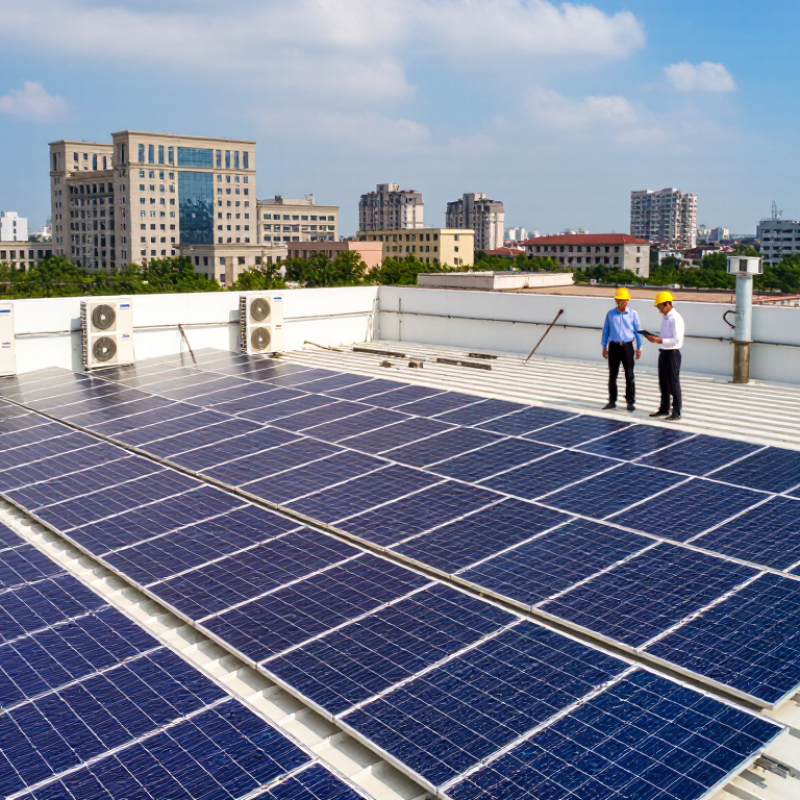
A credible commercial solar provider combines practical engineering with clear project communication. Its company profile should explain how it assesses a site, designs a system, and checks expected performance. During a roof survey, specialists inspect structural capacity, shading, electrical equipment, and usable roof area. Real roofs are messy. Vents, skylights, and afternoon shadows can change the usable space. A careful proposal shows its assumptions, projected output, and likely maintenance needs. No forecast is perfect. Businesses should be able to ask how estimates were calculated and what could affect them.
The industry’s rapid growth makes sound project review even more important. IRENA’s Renewable Capacity Statistics 2024 reports that solar added 346 gigawatts of global capacity in 2023, about 73% of all renewable capacity additions. That scale does not make every site suitable. Commercial expertise means matching system size to a building’s energy use, operating hours, roof condition, and utility bills. A useful discussion includes equipment access, monitoring, and how production may vary across seasons. Ask for a clear explanation of trade-offs, not just an attractive annual generation figure. A few shaded modules can matter. So can a business changing its shift schedule after installation.
How Sun Value Solar Assesses and Designs a Project
A commercial solar assessment begins with the building’s actual energy use, not a standard system size. Designers review utility bills, interval-meter data, operating hours, and seasonal demand. They also inspect roof age, structural capacity, shading, electrical equipment, and available space. A vent pipe or afternoon shadow can change the usable layout.
The International Energy Agency’s Renewables 2024 report projects solar PV will provide nearly 80% of global renewable capacity growth through 2030. That growth does not make every site a good fit. Designers compare production estimates with a business’s load profile and electricity tariff, then assess whether storage or phased installation makes sense. Details matter.
NREL’s 2013 review, “Photovoltaic Degradation Rates—An Analytical Review,” reported a median system degradation rate of about 0.5% per year across the studies it examined. That figure helps frame long-term forecasts, but it is not a guarantee for any specific roof. Historical bills cannot perfectly predict future operations. A credible design states its assumptions, identifies uncertainties, and explains how roof condition, shading, and equipment choices affect expected output.
Business Benefits of Choosing Sun Value Solar
Commercial solar can turn an underused roof or parking area into a working energy asset. For businesses with daytime electricity use, on-site generation may reduce purchased power and exposure to changing rates. The fit depends on more than roof size. Review utility bills, interval-use data, shading, roof condition, and operating hours. Details matter. A warehouse running refrigeration through the afternoon may benefit differently from a shop that closes at noon. Demand charges and local rules for exported electricity can also change the financial picture.
Reliable planning lays out its assumptions: estimated production, equipment degradation, maintenance needs, project costs, and a realistic payback range. Ask how savings were modeled, what cloudy weeks may mean, and who handles monitoring or repairs. Solar is not an automatic win. An aging roof, limited daytime consumption, or costly grid upgrades can weaken the case. Compare financing options and warranty terms carefully, and have qualified professionals assess electrical capacity and structural loads. One estimate may look tidy on paper; real operations are messier. A sound decision should still hold up under conservative assumptions, not just the brightest forecast.
Why Choose Solar for Your Business?
Estimated annual electricity-bill savings increase with system size.
Illustrative estimates use an assumed solar production of 1,300 kWh per kW per year and an electricity value of $0.12 per kWh. They assume all solar generation offsets grid electricity use; actual savings depend on location, system performance, utility rates, and on-site energy use. Estimates are before financing, maintenance, fixed charges, incentives, or export compensation.
Installation, Monitoring, and Ongoing Support
A commercial solar installation starts with details that are easy to miss: roof condition, shade from nearby equipment, conduit routes, and safe access for future repairs. A site-specific design should document these constraints before crews arrive. During commissioning, technicians can verify inverter settings, electrical connections, and system output against the design. It takes time. Still, a neat handover file with equipment records and test results can save hours when a fault appears months later.
Monitoring turns those records into day-to-day decisions. A useful system flags underperforming inverters and compares production with weather and expected output; staff should investigate alerts rather than assume every dip signals a failure. NREL’s 2012 review, “Photovoltaic Degradation Rates—An Analytical Review,” found a median annual decline of about 0.5% across nearly 2,000 reported degradation rates. That is a fleet-level result, not a guarantee for any one roof. Ongoing support should include scheduled inspections, clear response times, and explanations in plain language. The NREL-led 2018 “Best Practices for Operation and Maintenance of Photovoltaic and Energy Storage Systems” provides guidance on documenting maintenance and system performance. No dashboard is magic. Even careful teams can miss a trend, so reviewing alerts and service notes together matters.