2026 Top Trends in PV Wire Applications and Innovations
The evolution of PV wire technology is set to redefine solar energy applications by 2026. As the demand for renewable energy rises, innovations surrounding PV wire are crucial. These wires ensure efficient energy transfer and contribute to overall system reliability.
In recent years, advancements in materials and design have enhanced the performance of PV wire. As solar installations grow, so does the need for durable and efficient wiring solutions. It’s essential to address challenges in weather resistance and thermal management for prolonged lifespan. The balance between cost and quality remains an ongoing discussion in the industry.
As manufacturers strive to meet these needs, some inconsistencies arise. Not all innovations yield practical applications. The market faces obstacles, such as regulatory changes and evolving standards. Reflecting on these challenges can fuel further innovation. Embracing the future of PV wire holds immense potential, but caution is necessary.
Emerging Technologies Driving PV Wire Innovations in 2026
The solar energy sector is evolving rapidly, and PV wire innovations are at the forefront. In 2026, emerging technologies play a crucial role in this growth. Advanced materials are being used to enhance efficiency. These materials resist harsh environmental conditions. They ensure longer lifespans and better performance over time.
One of the key developments is the integration of smart technology. Smart wires can monitor energy flow in real-time. This capability allows for proactive maintenance and optimization. However, the costs may pose challenges for widespread adoption. Many installations might hesitate to invest in such technology without guaranteed returns.
Another area of innovation is improved wire insulation. Enhanced insulation can lead to less energy loss during transmission. However, achieving the right balance between durability and flexibility remains a design challenge. These innovations could reshape the solar industry landscape, making it more sustainable and cost-effective. The path forward requires careful consideration of both benefits and limitations.
Key Applications of PV Wire in Solar Energy Systems
In recent years, PV wire has gained significant importance in solar energy systems. Its primary role is to connect solar panels to inverters and batteries. This ensures efficient electricity flow. High-quality PV wire withstands environmental stress, such as UV exposure and extreme temperatures. However, not all PV wires perform equally. Quality can vary dramatically across the market.
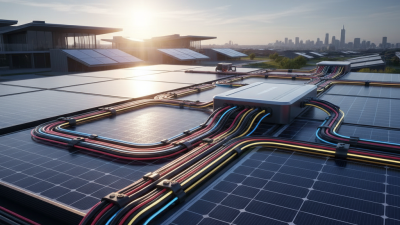
One key application is in rooftop solar installations. The wire must be durable and flexible for easy handling. It needs to endure harsh weather conditions over many years. Using subpar wires can lead to failures. This disrupts energy production and incurs extra costs. Additionally, PV wires play a crucial role in large solar farms. Here, thousands of connections are made. Any weak link can cause significant downtime and revenue loss.
Moreover, innovations in PV wire design continue to emerge. Advances in insulation materials and manufacturing techniques improve performance. However, challenges remain in material sourcing and production efficiency. This creates opportunities for improvement and reflection. Overall, understanding the key applications of PV wire is essential for maximizing solar energy systems. It is crucial to balance performance and cost-effectiveness when selecting wire for solar projects.
Advancements in Materials for Enhanced PV Wire Performance
Advancements in materials for photovoltaic (PV) wire applications are transforming the solar industry. As technology improves, new materials are emerging. These innovations enhance durability and efficiency. For instance, new insulating materials can withstand extreme temperatures, which lengthens the lifespan of the wires.
Performance can be significantly improved with new coatings. These coatings provide better resistance to UV rays and moisture. They are crucial in extending wire performance in various environments. An effective coating can prevent degradation, leading to lower maintenance costs. This aspect often gets overlooked, yet it impacts overall system reliability.
Tip: Regularly inspect and replace old wires. Investing in quality materials can save money long-term.
Another interesting development is the use of recycled materials in wire production. While this practice is eco-friendly, it raises questions about performance reliability. Striking a balance between sustainability and performance is essential. Innovators must reflect on these challenges constantly.
Tip: Evaluate the sourcing of wire materials. Sustainable options could have hidden performance implications.
Choosing innovative materials is vital for future PV wire applications. Continuous improvement in material science will drive the industry forward. Embracing innovation while addressing potential drawbacks can lead to successful solar solutions.
2026 Top Trends in PV Wire Applications and Innovations
This chart illustrates the advancements in materials for enhanced PV wire performance, categorized by key trends and their projected impact on efficiency and durability by 2026.
Market Trends and Growth Opportunities in PV Wire Applications
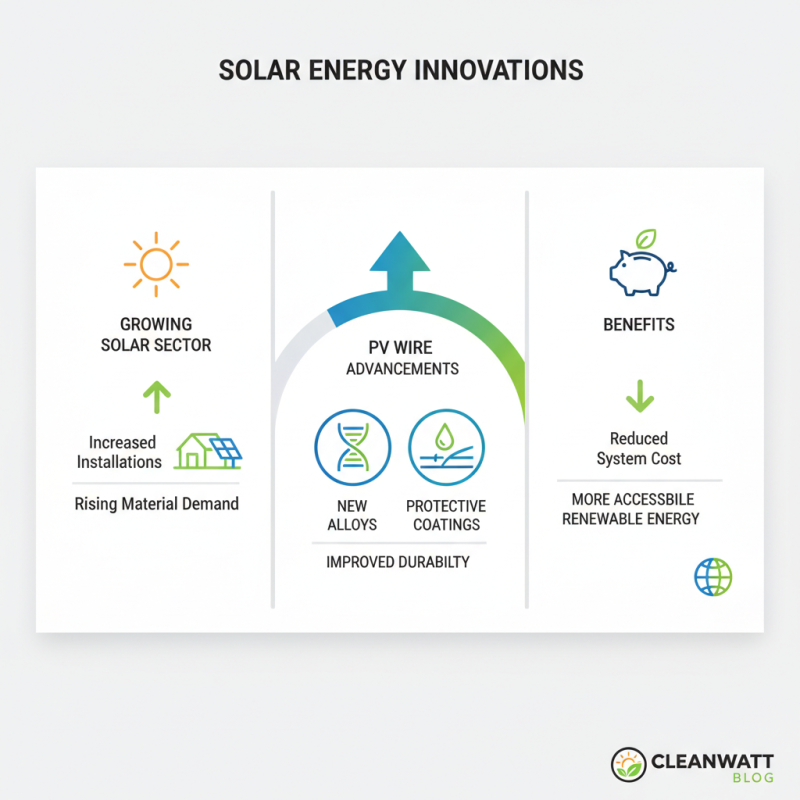
The growing solar energy sector propels innovations in PV wire applications. As solar installations expand, the demand for efficient materials rises. Research indicates new alloys and coatings can improve durability. These advances reduce the overall cost of solar systems, making renewable energy more accessible.
Market trends reflect a shift toward sustainability. Manufacturers are focusing on environmentally friendly materials. Efforts in recycling PV wire components are underway. However, challenges remain in developing effective recycling processes. A lack of standardization complicates these initiatives, requiring industry collaboration.
Developing countries present significant growth opportunities. Increased government incentives spark interest in solar projects. However, infrastructure limitations may hinder progress. Investing in local production facilities could address some of these barriers. Thoughtful planning is essential for maximizing these opportunities and ensuring long-term success in the market.
Regulatory and Environmental Factors Influencing PV Wire Usage
The solar energy sector is rapidly evolving, with innovations in photovoltaic (PV) wire applications transforming how we harness sunlight. However, regulatory and environmental factors significantly impact their usage. Governments worldwide are implementing stricter regulations on the materials used in PV wire. This is due to concerns over sustainability and environmental protection.
Materials must now meet stringent guidelines. The pressure to reduce hazardous substances in PV wire is increasing. Compliance can be a challenge but can lead to safer products. Moreover, environmental considerations affect manufacturing processes. Manufacturers are exploring eco-friendly materials as an alternative. This shift represents a growing awareness of the industry’s carbon footprint.
On the regulatory front, varying standards across regions can create confusion. Harmonizing these regulations remains a work in progress. Companies must navigate these complexities while remaining innovative. The industry must balance compliance with the need for innovation. There is potential for improvement, but it requires collective effort. Finding solutions is crucial for a sustainable future in solar energy.