Choosing the right solar pv installation company can shape a project’s performance for decades. Global buyers need more than attractive pricing or polished websites. They need contractors with proven field experience, qualified engineers, and clear responsibility from design through commissioning.
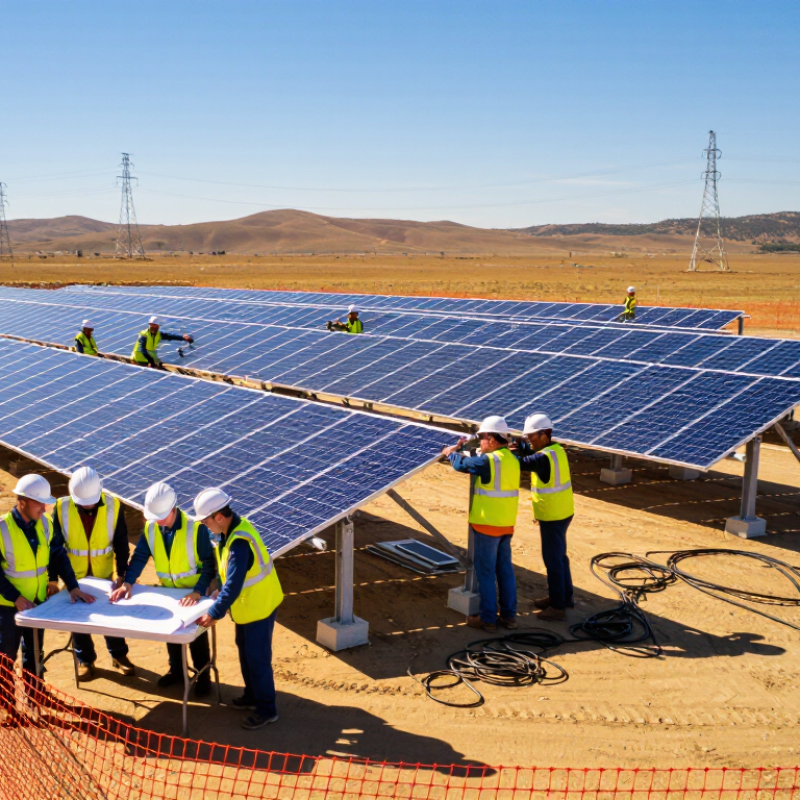
This guide examines leading installation companies through practical buying factors. These include project history, regional expertise, technical certifications, safety records, and financial stability. It also considers engineering, procurement, and construction capabilities. A reliable provider should explain module selection, inverter compatibility, mounting design, grid connection, and expected energy output in plain language. Real evidence matters. Buyers should request reference projects, performance data, warranty terms, and maintenance response times. Photographs of operating sites can reveal details that brochures often hide, such as cable management and access conditions.
International projects also involve shipping schedules, local permits, currency risks, and changing grid requirements. Strong companies manage these issues with documented processes and dependable local partners. Yet no ranking can fit every market. A utility-scale project in Spain may need different expertise from a commercial rooftop system in Kenya or Australia. This overview therefore avoids treating company size as proof of quality. Smaller specialists may offer closer supervision, while large firms may provide broader resources. Both can fail without careful oversight. Buyers should compare proposals line by line and inspect assumptions behind projected returns. Some information may remain difficult to verify, especially where subcontractors perform critical work. That limitation deserves attention. The best decision combines independent due diligence, technical review, and realistic expectations about long-term operation.
The global solar PV installation market is becoming more specialized and locally driven. Main service providers include engineering, procurement, and construction contractors, regional installers, project developers, and independent operation teams. Large contractors often manage utility-scale sites, while local firms understand permits, grid rules, labor conditions, and weather risks. Experienced providers should show completed projects, trained engineers, safety records, and measurable system performance. Photos are useful. Verified data matters more.
Global buyers should compare more than installation prices. Review module handling, inverter integration, cable protection, testing procedures, and commissioning reports. Ask how the provider manages dust, high winds, heavy rain, or difficult rooftops.
Contracts should clearly define warranties, payment stages, delivery duties, and maintenance response times. Independent inspections can reduce costly surprises. Still, no provider is perfect. Even a strong company may misjudge local soil, supply delays, or grid approval timelines.
Tips: Request three detailed proposals. Check at least two operating projects. Confirm local licenses and insurance. Ask for predicted energy output and the assumptions behind it. Avoid unclear savings claims. A lower bid may hide weaker monitoring or limited after-sales support. Buyers should also plan spare parts and remote diagnostics before construction begins. Small details matter.
Choosing solar PV installation companies for an international project requires more than comparing quoted prices. The global market added about 345 GW of solar capacity in 2023, according to IRENA’s Renewable Capacity Statistics 2024. That scale creates opportunities, but quality varies sharply. Request evidence from similar climates, including commissioning records, measured yield, and photographs of cable routing, drainage, and inverter rooms. A polished website is not evidence.
Evaluate the technical proposal line by line. The energy model should state irradiation sources, temperature assumptions, shading losses, degradation, and curtailment risks. Ask whether the installer has qualified engineers who understand local grid codes and construction permits. The IEA PVPS Trends 2024 report places global PV capacity above 1.4 TW by the end of 2023, making grid integration and operational discipline increasingly important. Require independent testing of insulation, earthing, protection systems, and performance after commissioning. Small omissions become expensive across borders.
Commercial checks matter just as much. Examine payment milestones, liquidated damages, spare-parts access, response times, and warranty exclusions. Confirm who handles customs, site safety, worker training, and future maintenance. A financially stable installer should provide audited information or credible trade references. Still, no evaluation is perfect. Forecasts can miss dust, flooding, or delayed grid approval. Keep a contingency allowance. Ask uncomfortable questions early. The best partner explains uncertainty clearly, rather than promising flawless output.
International buyer evaluation framework based on measurable technical, commercial, compliance, safety, and delivery indicators. The benchmarks below are planning reference points and should be verified for each project and jurisdiction.
| Evaluation Dimension | What to Measure | Recommended Benchmark for International Projects | Required Evidence | Why It Matters | Priority |
|---|---|---|---|---|---|
| Relevant Project Experience | Number, size, technology type, and geographic diversity of completed PV projects. | At least 3 comparable projects completed in the target climate, grid environment, or market within the previous 5 years. | Completion certificates, client references, project capacity records, commissioning dates, and geographic project list. | Comparable experience reduces design, permitting, logistics, and commissioning risks. | High |
| Technical Design Capability | Quality of electrical, structural, civil, and energy-yield design. | Design package should include single-line diagrams, string layout, cable sizing, protection coordination, grounding, structural calculations, and energy-yield modeling. | Redacted engineering drawings, calculation samples, design-review procedure, and professional engineer credentials where required. | Complete design documentation supports safe construction, predictable performance, and approval by local authorities. | High |
| Module and Inverter Compatibility | Electrical compatibility, operating voltage, current limits, power ratio, and system architecture. | The proposed configuration must remain within the stated operating limits of all major equipment across the full expected temperature range. | Datasheets, compatibility calculations, temperature-correction calculations, and final equipment schedule. | Incorrect matching can cause clipping, downtime, warranty disputes, or premature equipment failure. | High |
| Standards and Certification | Use of recognized PV installation, electrical, quality, and safety practices. | Project documentation should address IEC 62446-1 testing and documentation requirements, applicable IEC equipment standards, and the electrical code of the destination country. | Inspection and test plans, compliance matrix, certificates of conformity, and jurisdiction-specific code review. | Standards compliance improves safety, insurability, grid acceptance, and long-term maintainability. | High |
| Quality Management | Formal control of materials, workmanship, inspections, nonconformities, and corrective actions. | A documented quality management system aligned with ISO 9001 principles, supported by inspection hold points and traceable records. | Quality manual, inspection and test plan, nonconformance reports, internal audit records, and material traceability procedure. | Consistent quality controls reduce rework, hidden defects, and warranty-related disputes. | High |
| Health and Safety Performance | Safety management, worker training, incident prevention, and high-risk activity controls. | Project-specific safety plan covering work at height, electrical isolation, lifting, fire prevention, emergency response, and personal protective equipment. | Safety plan, training records, risk assessments, toolbox-talk logs, incident statistics, and site audit reports. | Strong safety management protects workers and limits schedule, legal, and insurance exposure. | High |
| Local Licensing and Permitting | Ability to manage construction permits, grid studies, inspections, and utility approvals. | A written responsibility matrix should identify every permit, approval, submission date, responsible party, and dependency before construction begins. | Permit register, sample approval package, local professional credentials, utility-interconnection experience, and authority correspondence. | Permitting delays are a common cause of missed commercial operation dates. | High |
| Procurement and Supply Chain | Availability, origin, lead time, transport planning, customs handling, and substitute-equipment controls. | Provide a procurement schedule with confirmed lead times, at least one approved contingency option for critical components, and documented incoming-goods inspection. | Bill of materials, supplier qualification procedure, delivery schedule, logistics plan, customs documents, and inspection records. | Supply-chain transparency helps prevent construction stoppages and unapproved substitutions. | High |
| Installation Productivity | Planned labor capacity, construction sequence, site logistics, and realistic installation output. | The baseline schedule should include mobilization, civil works, mounting, cabling, testing, inspections, grid approval, and weather contingency rather than only panel installation. | Detailed schedule, resource histogram, site logistics plan, subcontractor list, and progress-report template. | A realistic schedule provides a more reliable basis for financing, procurement, and revenue planning. | Medium |
| Commissioning and Acceptance Testing | Verification of electrical safety, system performance, communications, protection, and documentation. | Testing should include continuity, polarity, insulation resistance, open-circuit voltage, operating current, protective-device checks, inverter settings, monitoring validation, and thermal inspection where appropriate. | Signed commissioning records, calibrated instrument certificates, punch list, as-built drawings, and performance test report. | Structured commissioning identifies defects before handover and establishes a reliable operational baseline. | High |
| Energy-Yield Assurance | Accuracy of production estimates and treatment of losses, degradation, availability, shading, soiling, and weather variability. | The model should separately disclose irradiation assumptions, temperature loss, mismatch, wiring loss, inverter loss, availability, soiling, degradation, and curtailment. | Energy-yield report, simulation assumptions, meteorological data source, loss diagram, and sensitivity analysis. | Transparent assumptions make financial forecasts easier to audit and compare. | High |
| Performance Monitoring | Visibility of system availability, production, alarms, weather conditions, and performance ratio. | Monitoring should provide time-stamped data, role-based access, alarm history, remote diagnostics, and monthly performance reporting. | Monitoring-system demonstration, data-retention policy, alarm escalation procedure, sample dashboard, and reporting format. | Fast detection of faults improves uptime and supports warranty and insurance claims. | High |
| Warranty Coordination | Responsibility for equipment warranties, workmanship defects, claim submission, and replacement logistics. | The contract should clearly distinguish equipment warranty, installation workmanship warranty, response time, remedy period, exclusions, and transport responsibility. | Warranty matrix, draft contract clauses, claim workflow, spare-parts plan, and escalation contacts. | Clear responsibility prevents gaps between manufacturer warranties and installation obligations. | High |
| Operation and Maintenance | Preventive maintenance, corrective response, vegetation or soiling control, spare parts, and reporting. | The O&M plan should define inspection frequency, response-time targets, critical spares, cleaning approach, vegetation control, firmware management, and annual reporting. | O&M agreement, preventive-maintenance checklist, staffing plan, spare-parts inventory, and service-level terms. | Long-term maintenance quality strongly influences availability and lifecycle cost. | High |
| Cybersecurity and Data Protection | Protection of monitoring platforms, remote access, credentials, communications, and operational data. | Use unique user accounts, multi-factor authentication where available, least-privilege access, secure password management, backup procedures, and documented incident escalation. | Cybersecurity policy, access-control matrix, backup procedure, network diagram, and data-processing terms. | Connected PV systems can create operational and data-security risks if remote access is poorly controlled. | Medium |
| Environmental and Social Management | Waste handling, land disturbance, biodiversity, community impact, worker welfare, and end-of-life planning. | Provide a project environmental and social management plan covering waste segregation, hazardous materials, erosion control, local labor, grievances, and decommissioning responsibilities. | Environmental plan, waste-transfer records, labor policy, stakeholder register, and site-restoration provisions. | Responsible practices support permitting, lender requirements, community acceptance, and ESG reporting. | Medium |
| Financial Strength and Commercial Terms | Ability to finance mobilization, manage cash flow, provide security, and absorb project risks. | Commercial offer should define payment milestones, retention, liquidated damages, change-order rules, performance security, insurance, taxes, and currency exposure. | Audited financial information or equivalent due diligence, insurance certificates, bond capacity, contract template, and tax structure. | Financial resilience reduces the risk of abandonment, delayed procurement, or unresolved claims. | High |
| Contract and Risk Allocation | Clarity of scope, interfaces, acceptance criteria, delays, force majeure, defects, and dispute resolution. | Use a contract with a clear scope matrix, measurable milestones, documented change control, governing law, dispute mechanism, and defined handover requirements. | Draft EPC or installation agreement, responsibility matrix, risk register, insurance terms, and dispute-resolution clause. | Well-defined risk allocation limits misunderstandings and makes project outcomes enforceable. | High |
| International Logistics Capability | Experience with Incoterms, export documentation, customs, inland transport, port handling, and remote-site delivery. | The logistics plan should specify Incoterms 2020 responsibilities, packaging standards, insurance, customs documents, delivery sequence, and damage-claim procedures. | Sample shipping file, logistics schedule, packaging specification, customs checklist, and cargo-insurance terms. | Coordinated logistics reduces damage, demurrage, customs delays, and site-storage exposure. | High |
| Handover Documentation | Completeness and usability of as-built records and operational information. | Handover package should include as-built drawings, equipment registers, test records, certificates, manuals, warranty documents, spare-parts list, and training records. | Sample indexed handover dossier, document-control procedure, training agenda, and acceptance checklist. | Accurate records lower future maintenance costs and preserve asset value. | High |
| Evaluation Method | Consistency and transparency of supplier comparison. | Use a weighted scorecard: technical capability 25%, compliance and safety 20%, commercial terms 20%, delivery and logistics 15%, O&M and warranty 15%, sustainability and communication 5%. | Completed evaluation matrix, evidence register, clarification log, reference-check record, and approval trail. | A weighted process reduces subjective selection and makes the final decision auditable. | High |
Reference basis: The framework reflects commonly used international project controls and principles associated with IEC PV documentation and verification practices, ISO management-system principles, Incoterms 2020, electrical-code compliance, utility interconnection requirements, and standard EPC/O&M contracting procedures. Always confirm the latest applicable edition and local legal requirements before procurement.
Choosing a solar PV installer depends on location, system size, and operating conditions. A rooftop project in southern Europe needs different planning from a utility-scale site in East Africa. Regional installers often understand local permits, grid rules, weather patterns, and labor requirements. That knowledge can prevent expensive delays. Local knowledge helps.
For commercial projects, experienced teams should provide energy assessments, structural checks, yield estimates, and construction schedules. Utility-scale buyers need stronger capabilities, including land surveys, medium-voltage design, tracker installation, and grid-connection testing. Ask for evidence from completed projects with similar capacity. A polished proposal is not enough. Site experience matters.
Technical expertise also includes commissioning and long-term maintenance. Inspectors should verify cable routes, grounding, inverter settings, and thermal performance before handover. Installers with trained engineers can respond faster when dust, heat, snow, or salt air reduces output. Independent testing can add confidence, especially for international buyers. Reliability is built through records.
Some projects still fail because communication is weak. Delivery dates may overlook port congestion or seasonal rain. I have seen planning assumptions require revision after a site visit. That is not always a serious flaw, but ignoring it is risky. Buyers should compare warranties, spare-parts access, safety procedures, and performance reporting before signing. Clear documentation protects both sides.
Global solar PV installers serve buyers through more than panel delivery. Their services often include satellite-based site screening, roof inspections, energy modeling, permitting support, and construction planning. Experienced teams check roof age, shading, wind exposure, drainage, and local grid conditions before proposing equipment.
Modern installations may use monocrystalline modules, string inverters, power optimizers, battery storage, and remote monitoring platforms. Installers should explain expected output during cloudy months, not only under ideal sunlight. They also design cable routes, grounding systems, surge protection, and emergency shutdown controls. Small details matter.
Quality work follows recognized standards, including IEC requirements for PV modules and inverters, ISO-based quality systems, and applicable national electrical codes. Qualified installers provide test records, commissioning reports, warranty terms, and maintenance schedules. Independent inspections can verify insulation resistance, polarity, torque settings, and system labeling.
Performance guarantees need careful reading. Some cover equipment defects, while others address installation labor or declining energy output. These are different promises. A reliable provider explains exclusions in plain language and keeps replacement procedures practical. In real projects, forecasts can miss unusual weather or future shade from growing trees. That limitation deserves honest discussion, not polished sales language. Availability of trained technicians also matters, especially for buyers managing remote sites.
For overseas buyers, selecting a solar PV installer requires more than comparing quotations. IRENA reported that global solar capacity grew by about 452 GW in 2024. Competition is intense. Yet installation quality still varies across regions. A reliable contract should define system capacity, performance ratio, equipment standards, testing procedures, and delay damages. It should also identify the responsible party for customs, grid connection, and local permits. Vague wording creates expensive disputes.
Costs deserve careful checking. IRENA’s 2023 cost report placed utility-scale solar’s global average LCOE near USD 0.044 per kWh. However, international projects add freight, insurance, taxes, currency exposure, and financing costs. Request a complete cost schedule, not only a panel price. Payment milestones should follow measurable progress, such as delivery, mechanical completion, and grid acceptance. Independent inspection can reduce uncertainty, although it cannot remove every risk. I have seen low bids become costly after omitted civil works appeared.
Tips: Check at least three years of overseas project records. Ask for references in a similar climate. Require serial-number tracking and factory test reports. Confirm warranty response times in writing. After-sales support should include remote monitoring, spare-part availability, and local technician training. A service-level agreement should state response and repair deadlines. IEA PVPS data shows global PV deployment has passed 400 GW annually, but rapid growth does not guarantee dependable maintenance. Plan for inverter replacement, soiling, storms, and gradual performance loss before signing.
Global weighted-average levelized cost of electricity (LCOE), 2010–2023, in USD per kWh.
Source: International Renewable Energy Agency (IRENA), Renewable Power Generation Costs in 2023. Values are global weighted averages.