2026 Best PV Installation Trends and Innovations to Watch?
The future of PV installation is rapidly evolving. Innovations are shaping how we harness solar energy. As we look ahead to 2026, numerous trends emerge. They promise to enhance efficiency and sustainability.
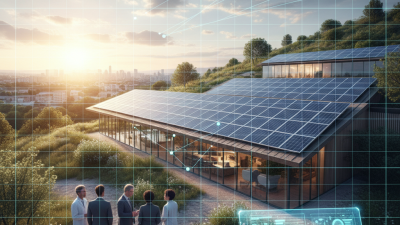
One key trend is the rise of smart solar technology. Devices now communicate with each other, optimizing energy use. Users gain valuable insights, maximizing their systems. Solar panels are becoming sleeker too, fitting seamlessly into modern architecture. Hybrid systems combine PV installation with other technologies, meeting diverse energy needs.
However, challenges remain. The integration of new technologies often requires additional training. Users might feel overwhelmed by industry jargon. It’s essential to bridge the gap between innovation and user understanding. Furthermore, maintenance remains a crucial aspect. Regular checks ensure systems run smoothly. The future of PV installation is bright but requires thoughtful implementation.

Emerging PV Technologies Transforming Solar Energy Installations
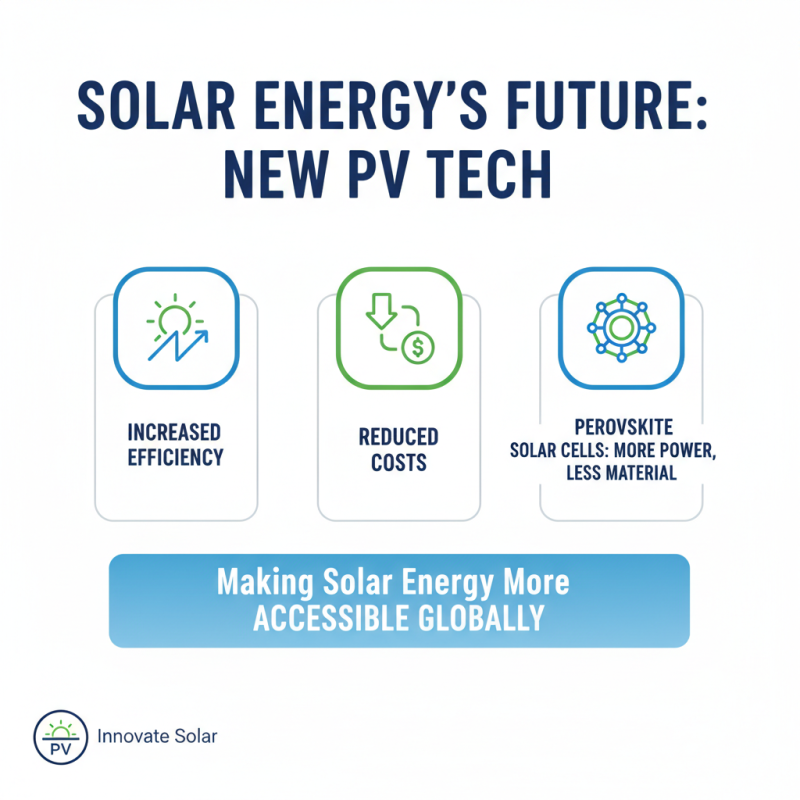
Emerging photovoltaic (PV) technologies are reshaping solar energy installations. New materials are improving efficiency and reducing costs. For instance, perovskite solar cells are gaining attention. They promise higher efficiency rates with less material. This innovation could make solar energy more accessible.
Bifacial solar panels are also becoming more popular. These panels capture sunlight from both sides, leading to increased energy production. However, their installation requires careful consideration of the environment. It's not always a straightforward choice. There is still uncertainty about their long-term performance in various climates.
Energy storage solutions are evolving as well. Better batteries are essential for managing solar energy. They help address the intermittent nature of solar power. Although improvements are significant, users still face challenges in selecting the right system for their needs. Overall, the landscape of solar energy is changing rapidly and presents both opportunities and challenges for the future.
Key Innovations in PV Materials for Increased Efficiency and Durability
The solar photovoltaic (PV) industry is evolving rapidly. Key innovations in materials play a critical role in enhancing efficiency and durability. Research indicates that solar panels using perovskite materials can achieve efficiencies up to 29%. This is a significant leap compared to traditional silicon.
In addition, bifacial solar panels are gaining traction. They utilize sunlight reflected from surfaces to generate extra power. This could increase overall efficiency by 10-20%. The durability of these products is crucial. Better materials mean longer lifespans and reduced waste. Studies show new anti-reflective coatings can enhance performance in low-light conditions.
Tips: When considering installation, evaluate the local climate and potential shading factors. Durability is key, especially in harsh environments. Look for panels with strong warranties.
Innovation is essential, but challenges remain. The manufacturing processes behind these new materials often require significant energy. This raises sustainability concerns. The transition to greener materials is necessary but complex. Balancing efficiency improvements with environmental impact is critical for the future.
2026 Best PV Installation Trends and Innovations to Watch
| Innovation |
Description |
Impact on Efficiency |
Durability Improvement |
Adoption Rate (%) |
| Bifacial Solar Panels |
These panels utilize both sides to capture sunlight, enhancing energy generation. |
Increase by up to 30% compared to conventional panels. |
Higher resistance to environmental factors. |
45% |
| Flexible PV Modules |
Lightweight and adaptable to various surfaces, useful for unconventional installations. |
Moderate increase of 10-20% depending on installation. |
Enhanced flexibility reduces stress and wear. |
30% |
| Perovskite Solar Cells |
Next-generation materials that promise lower production costs and higher efficiency. |
Efficiency potential upwards of 25% with scaling. |
Long-term stability is still under research. |
15% |
| Smart Solar Technologies |
Integration of IoT devices for real-time monitoring and optimization of power generation. |
Up to 20% enhanced performance through data-driven optimization. |
Improved diagnostics extend the lifespan of installations. |
40% |
| Building-Integrated Photovoltaics (BIPV) |
Integration of solar generation directly into building materials. |
Varies greatly, but can achieve significant energy savings. |
Materials designed for aesthetic and functional durability. |
20% |
Trends in Smart Solar Solutions for Enhanced Monitoring and Management
The rise of smart solar solutions is reshaping the way we monitor and manage photovoltaic (PV) installations. Enhanced monitoring systems can provide real-time data on energy production. These systems often use advanced sensors and IoT technology to track performance. Users can access insights through mobile apps or web portals. This data helps in identifying inefficiencies quickly.
Innovative management tools are also emerging. Automated alerts notify users of potential issues, such as energy drop-offs. Some solutions even integrate predictive analytics to forecast maintenance needs. However, the complexity of these technologies can be a challenge. Not all users may understand how to interpret the data effectively. There’s a continuous need for user education and support.
Furthermore, data security is a concern for many. As monitoring systems become more interconnected, the risk of cyber threats increases. Users must be proactive in protecting their systems. Not all installations come with robust security measures. The push for smarter solutions may lead to oversights in this area. Balancing innovation with security is essential for the future of PV installations.
Sustainability Practices in PV Installation: A Growing Focus
Sustainability in photovoltaic (PV) installation is more crucial than ever. According to the International Energy Agency, solar power installations grew by over 20% in 2022. However, this growth raises important questions about sustainable practices. Are we truly leveraging renewable resources? The manufacturing process of solar panels can be resource-intensive. More attention is needed in using recycled materials in production.
Innovative recycling programs are emerging in the industry, yet the implementation is inconsistent. A recent report from the Solar Energy Industries Association noted that only 10% of solar panel manufacturers currently have robust recycling plans. This gap highlights the need for stronger regulations and incentives to encourage better practices. Mindful installations also aim to minimize land use, which often leads to conflict in urban settings.
Moreover, installers should prioritize local sourcing of materials. The transition to a circular economy can be challenging but necessary. Data show that locally sourced components could reduce carbon emissions by up to 30%. These efforts illustrate a commitment to enhancing sustainability within the PV sector. The farther we reach towards sustainability, the more we realize how much remains to be done.
The Role of Government Policies in Shaping PV Installation Trends
Government policies play a crucial role in shaping the trends of photovoltaic (PV) installation. These regulations can either encourage or hinder growth in the solar energy sector. Incentives such as tax credits and rebates stimulate adoption. They make solar energy more accessible for homeowners and businesses. When communities see these incentives, interest in solar installations increases.
However, policy changes can create uncertainty. Shifting regulations may lead to confusion among potential adopters. Inconsistent guidelines can deter investments from both developers and consumers. This uncertainty must be addressed for the industry to flourish. Local governments can implement clear, forward-thinking policies promoting solar energy use.
Tips for those considering solar installation:
Always research local incentives. Connect with community programs that support solar energy. Seek expert advice to navigate complex regulations. This will make your experience smoother. Clarity in government policies paves the way for innovation and widespread adoption. Keep an eye on evolving trends to stay informed.