

2026 Top Types of Solar Installation Services
Solar installation services now cover far more than rooftop panels on detached homes. Residential systems remain popular, but commercial rooftops, ground-mounted arrays, community solar, and utility-scale projects serve different energy needs. Hybrid installations also combine solar panels with batteries, helping properties manage evening demand and short power interruptions. Off-grid systems support cabins, farms, and remote facilities where grid access is limited.
The technology deserves careful evaluation. Roof age, shading, orientation, structural strength, local weather, and electricity consumption can change the recommended design. A qualified installer should inspect the site, explain equipment choices, estimate realistic production, and provide clear maintenance terms. As Fatih Birol, Executive Director of the International Energy Agency, said, “Solar is now the cheapest source of electricity in history.” That statement reflects remarkable progress, yet affordability still depends on installation quality and project conditions.
This guide examines the top types of solar installation services and the situations each type suits best. It considers panels, inverters, batteries, mounting systems, monitoring tools, and installation experience. Small details matter. A chimney can cast a sharp winter shadow. Dust can reduce output on a farm installation. Battery capacity may be oversized for a low-use home. These examples show why one standard package rarely fits every property. The categories can overlap, and some projects resist neat classification. That is worth acknowledging. Reliable solar decisions require measured site data, transparent pricing, qualified workmanship, and realistic expectations rather than impressive promises.
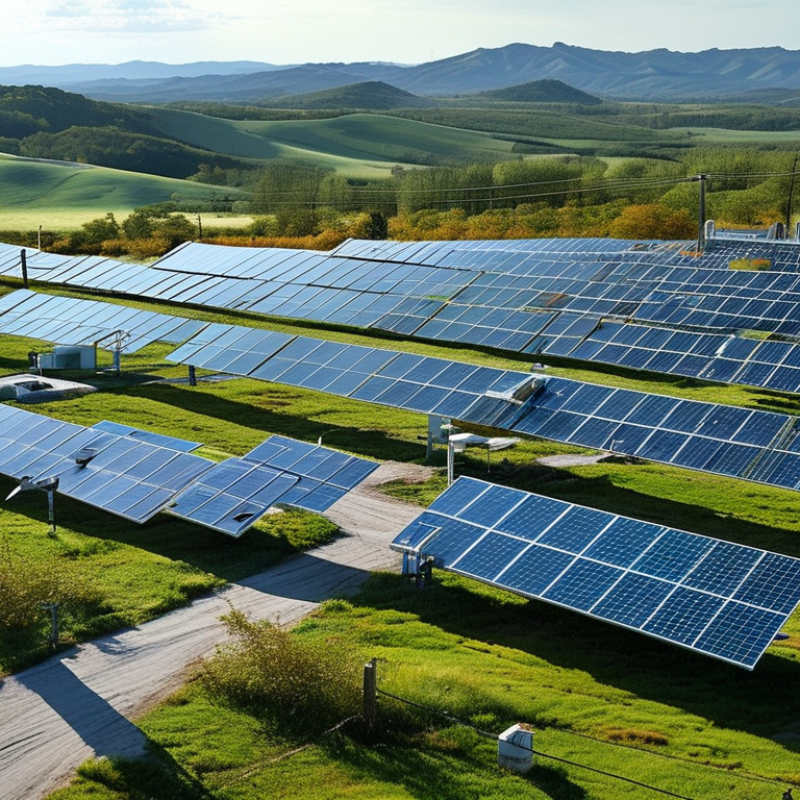
Table of Contents
[Hide]
Solar Installation Services: Definition and Core Components
2026 Top Types of Solar Installation Services
Solar Installation Services: Definition and Core Components
Solar installation services cover the planning, placement, connection, and continued care of photovoltaic equipment. They turn sunlight into usable electricity for homes, offices, farms, and other properties. A dependable service begins with a site assessment. Technicians examine roof condition, shading, orientation, wind exposure, and available electrical capacity. A tree may cast a shadow at 3 p.m., even when the roof looks sunny at noon.
System design follows the assessment. It matches panel capacity, inverter size, mounting hardware, wiring, and optional battery storage to the property’s needs. Professional installers also prepare permit documents and coordinate inspections. Licensed electrical work matters because incorrect connections can create heat, faults, or equipment damage. Cable routes should remain protected, tidy, and accessible for future testing.
Commissioning confirms that the system operates safely. Technicians test voltage, grounding, monitoring equipment, and grid connections. They should explain expected production and maintenance needs in clear language. Reliable providers record test results and disclose assumptions in the proposal. No installation is perfectly simple. Roof repairs, utility delays, or unexpected shading can change the original plan. I would rather see a careful revision than a rushed promise. Regular inspections can reveal loose hardware, damaged insulation, or declining output before small issues become expensive problems.
2026 Top Types of Solar Installation Services - Solar Installation Services: Definition and Core Components
| Service Type | Definition | Core Components | Typical Application | Key Design Considerations | Primary Benefit |
|---|---|---|---|---|---|
| Residential Rooftop Solar | A photovoltaic system installed on a home’s roof to generate electricity for household use. | PV modules, mounting rails, inverter, electrical protection, monitoring equipment, and utility connection. | Detached houses, townhomes, and small multifamily buildings. | Roof condition, usable area, orientation, shading, structural capacity, and local electrical requirements. | Reduces grid electricity purchases and uses otherwise unused roof space. |
| Commercial Rooftop Solar | A larger rooftop PV installation designed for commercial or institutional electricity loads. | PV arrays, commercial inverters, racking, combiner equipment, switchgear, monitoring, and interconnection hardware. | Offices, warehouses, schools, retail buildings, and public facilities. | Daytime load profile, roof loading, fire access pathways, demand charges, and interconnection capacity. | Offsets daytime operational demand and can lower long-term energy costs. |
| Ground-Mounted Solar | A PV system installed on a dedicated ground structure rather than on a building roof. | PV modules, driven piles or foundations, steel racking, inverters, wiring, fencing, and access routes. | Residential properties, farms, institutions, and commercial sites with available land. | Land availability, soil conditions, drainage, setback rules, vegetation, security, and environmental permitting. | Allows flexible orientation and easier maintenance access than many rooftop systems. |
| Solar-plus-Storage Installation | A solar PV system integrated with batteries that store excess electricity for later use. | PV modules, battery system, hybrid or battery inverter, energy-management controls, disconnects, and backup-load panel. | Homes and facilities seeking backup power, time-of-use savings, or greater self-consumption. | Critical-load requirements, battery capacity, usable energy, round-trip efficiency, ventilation, and fire-code compliance. | Improves energy availability during outages and shifts solar energy to evening demand. |
| Off-Grid Solar Systems | An independent solar power system that operates without a utility-grid connection. | PV modules, charge controller, battery bank, inverter, system controls, backup generator, and distribution equipment. | Remote homes, cabins, telecommunications sites, agricultural facilities, and emergency installations. | Seasonal solar resource, energy budget, battery autonomy, generator integration, and critical-load prioritization. | Provides electricity where extending or maintaining a grid connection is impractical. |
| Utility-Scale Solar Installation | A large solar power plant that supplies electricity to the utility grid or wholesale market. | Large PV fields, fixed-tilt or tracking structures, central or distributed inverters, transformers, collection systems, and substation equipment. | Open land, brownfields, utility property, and large energy-development sites. | Land use, grid capacity, interconnection studies, environmental impact, civil works, and project permitting. | Generates high-volume renewable electricity for grid supply. |
| Solar Carport Installation | A solar array mounted above parking spaces or vehicle-access areas. | PV modules, elevated steel canopy, foundations, drainage, lighting, inverters, and electrical protection. | Commercial parking lots, campuses, transport facilities, and public parking areas. | Vehicle clearance, foundation layout, stormwater management, traffic flow, lighting, and structural wind loads. | Combines renewable generation with weather protection for parked vehicles. |
| Agricultural Solar Installation | A solar project designed for farms, agricultural buildings, irrigation systems, or compatible agricultural land. | PV modules, roof or ground racking, inverters, electrical distribution, monitoring, and agricultural load controls. | Barns, dairies, greenhouses, irrigation pumps, livestock facilities, and farm operations. | Seasonal loads, equipment starting current, agricultural zoning, soil protection, and compatibility with farm operations. | Supports farm energy needs while making use of suitable agricultural structures or land. |
| Solar Water Heating Installation | A solar thermal system that uses sunlight to heat water rather than directly producing electricity. | Solar thermal collectors, storage tank, circulation pump, heat exchanger, controller, valves, and backup heater. | Homes, hotels, healthcare facilities, dormitories, and other buildings with substantial hot-water demand. | Hot-water demand, collector orientation, freeze protection, storage sizing, water quality, and backup heating. | Reduces energy used for water heating and complements conventional hot-water systems. |
| Solar System Repair and Maintenance | A service covering inspection, troubleshooting, cleaning, corrective work, and performance verification for installed systems. | Electrical testing, visual inspection, monitoring review, connector checks, equipment replacement, cleaning, and safety verification. | Existing residential, commercial, agricultural, and utility-scale solar installations. | System age, fault history, weather exposure, access conditions, electrical safety, and manufacturer-neutral component compatibility. | Maintains system reliability, safety, and energy production over the operating life. |
Note: Solar installation scope varies by site conditions, system size, local building codes, electrical regulations, permitting requirements, and utility interconnection rules.
Related Posts
-
China Top Solar PV Installation Companies and Trends in 2026?
-
Best Photovoltaic Installation Solutions for Global Buyers?
-
7 Tips to Get a Solar Installation Estimate
-
China Top 10 Large Scale Solar Suppliers for Global Buyers?
-
What is PV Installation and How Does It Work?
-
2026 Best Project Solar Solutions for Global Buyers?